
 admin
adminIn today’s digital era, platform architecture has become the backbone of every successful online gaming system. From performance stability to user experience, everything depends on how well the system is designed behind the scenes. A modern platform must be capable of handling millions of interactions in real time while maintaining security, speed, and scalability.
One example of this evolution can be seen in MK8, where advanced infrastructure is applied to ensure smooth operation and optimized performance across all devices. Platforms like this demonstrate how technology is reshaping the online entertainment landscape.
🚀 Core Components of Advanced Platform Architecture
A robust online gaming system is built on multiple layers working together efficiently. At its core lies the backend infrastructure, responsible for processing user data, handling requests, and maintaining system stability.
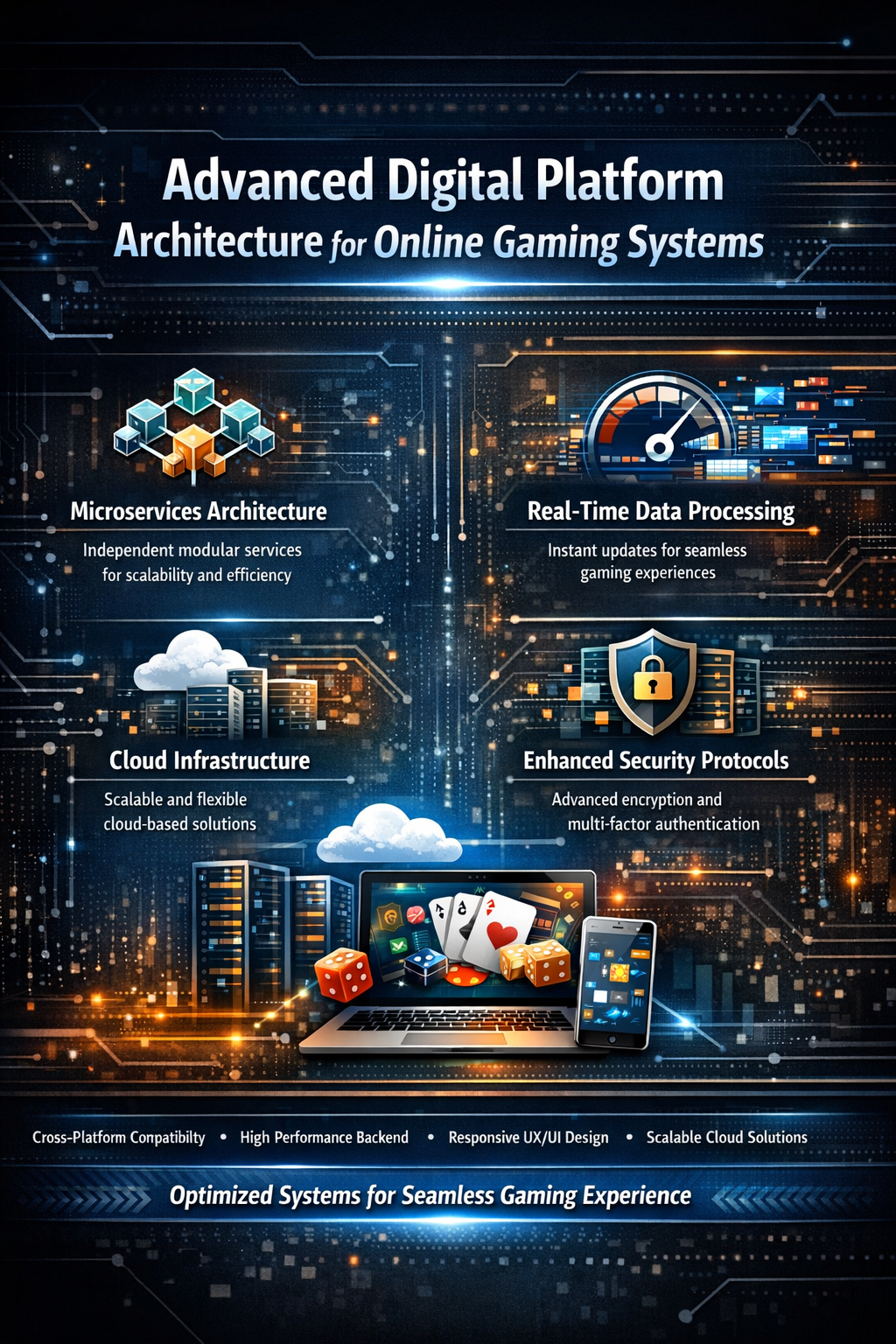
Modern platforms often use microservices architecture, where each function operates independently. This allows systems to scale more effectively and reduces the risk of system-wide failures. For example, login services, payment systems, and game engines can all run separately but communicate through APIs.
Additionally, API integration plays a vital role in connecting different services. It ensures seamless communication between frontend interfaces and backend systems, allowing users to enjoy uninterrupted gameplay.
⚡ Real-Time Processing and Performance Optimization
Speed is everything in online gaming. Players expect instant responses, real-time updates, and zero lag. To achieve this, platforms implement real-time data processing systems powered by technologies such as WebSockets and event-driven architectures.
Load balancing is another essential factor. It distributes incoming traffic across multiple servers to prevent overload and maintain consistent performance. Combined with cloud infrastructure, this ensures that platforms can handle sudden spikes in user activity without downtime.
Caching mechanisms are also widely used to store frequently accessed data, reducing server load and improving response times significantly.
🔐 Security and Data Protection Systems
Security is a top priority in any digital platform, especially those involving financial transactions and personal data. Modern systems implement multi-layer security protocols to protect users and maintain trust.
Encryption technologies ensure that all sensitive data is securely transmitted and stored. Secure authentication systems, including multi-factor authentication (MFA), add an extra layer of protection against unauthorized access.
Moreover, platforms continuously monitor user activity using AI-driven detection systems to identify and prevent suspicious behavior in real time.
📱 Cross-Platform Compatibility and User Experience
Today’s users access platforms from various devices, including smartphones, tablets, and desktops. Therefore, a modern gaming system must adopt a mobile-first design approach to ensure compatibility across all screen sizes.
Responsive web design ensures that interfaces automatically adjust to different devices, providing a consistent user experience. Meanwhile, intuitive UI/UX design enhances navigation, making it easier for users to interact with the platform.
Performance optimization also plays a role in user experience. Faster loading times and smoother transitions contribute significantly to user satisfaction and retention.
☁️ Cloud Infrastructure and Scalability
Cloud computing has revolutionized how online platforms operate. Instead of relying on physical servers, modern systems use cloud-based infrastructure to achieve flexibility and scalability.
Cloud platforms allow systems to automatically scale resources based on demand. This means that during peak hours, additional resources are allocated to maintain performance, while during low traffic periods, resources are reduced to save costs.
This elasticity ensures that platforms remain stable regardless of user volume, making cloud infrastructure a key component of advanced digital architecture.
🎯 Conclusion
Advanced digital platform architecture is the foundation of any successful online gaming system. By combining microservices, real-time processing, cloud infrastructure, and strong security measures, platforms can deliver seamless and reliable user experiences.
As technology continues to evolve, platforms that invest in scalable and efficient architecture will always stay ahead of the competition. The integration of modern technologies not only enhances performance but also builds trust and long-term user engagement in an increasingly competitive digital landscape.